The Professional Scrum Master (PSM) I training is a two day course which centers the theory and principles of Scrum. The focus is not only on knowing what Scrum is, but mainly on experiencing it, in order to truly harness the power of the framework. In order to do so, connecting theory to practice is essential. At the end of this course, you will understand what Scrum is (and isn’t) and how you get started on implementing it in your organisation.
Participants from a wide range of roles and backgrounds benefit from this training. You do not need to be a Scrum Master to take part. Project managers, team leads, creative directors, managing directors, IT development managers, product managers, test managers, marketing or content specialists and many others will find this course valuable. Some experience with Scrum is helpful, but not required. For those new to Scrum, the Professional Scrum Master training is an excellent starting point.
The unique combination of a certified Scrum organisation and a partner with deep insight into the cultural sector makes this training especially relevant for professionals working in the arts and cultural field.
Leearning Objectives
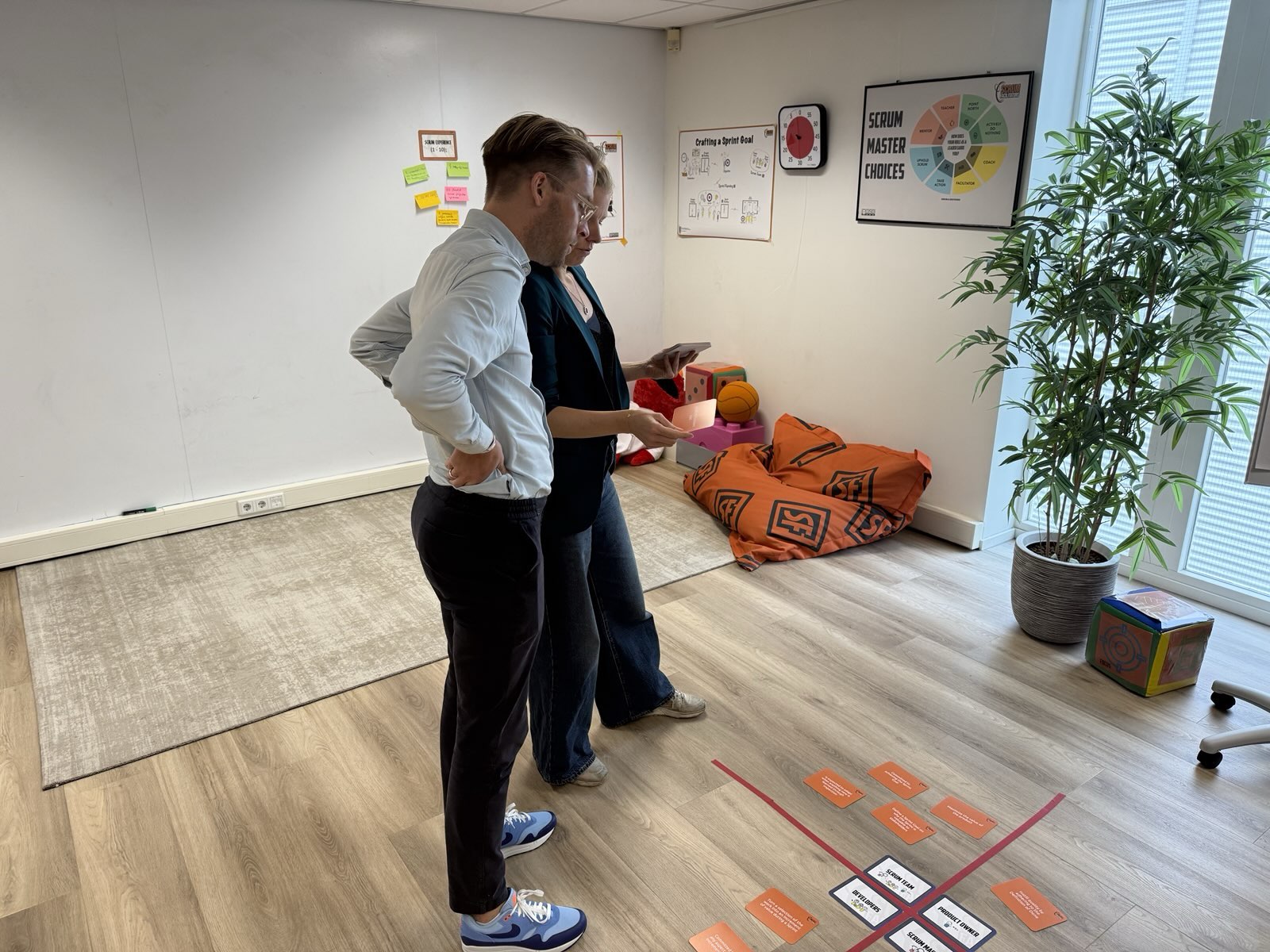
This training focuses on the theory behind Scrum and the core principles of the framework. It combines theory with hands-on exercises and is largely workshop-based to maximise learning impact.
After completing this training, you will:
- Have a clear understanding of what Scrum is;
- Understand the principles and values of Scrum;
- Gain insight into servant leadership as a Scrum Master within your Scrum Team and organisation;
- Be able to introduce Scrum within your team to improve effectiveness and collaboration;
- Be capable of facilitating the various Scrum events;
- Understand the key roles and responsibilities and how they should be applied within Scrum.
Training Structure
The training is built up of several modules. Naturally, we tailor these to your questions and experiences. The training consists of:
- Introduction
- Theory and principles of Scrum
- Scrum Framework
- The importance of Done (and undone)
- Product Delivery
- Peopel and teams
- The role of the Scrum Master
Testimonials
Theatre Group Firma Mes previously participated in the training. Christel Ooms, Managing Director, shares: “In the cultural sector, we often already work intuitively and in an agile way. The Scrum Master training gave us additional tools and a solid foundation to provide more direction to our work processes through shared ownership. Strategic decisions are made more quickly, responsibilities are clear, and ideas are given the space to become reality.”
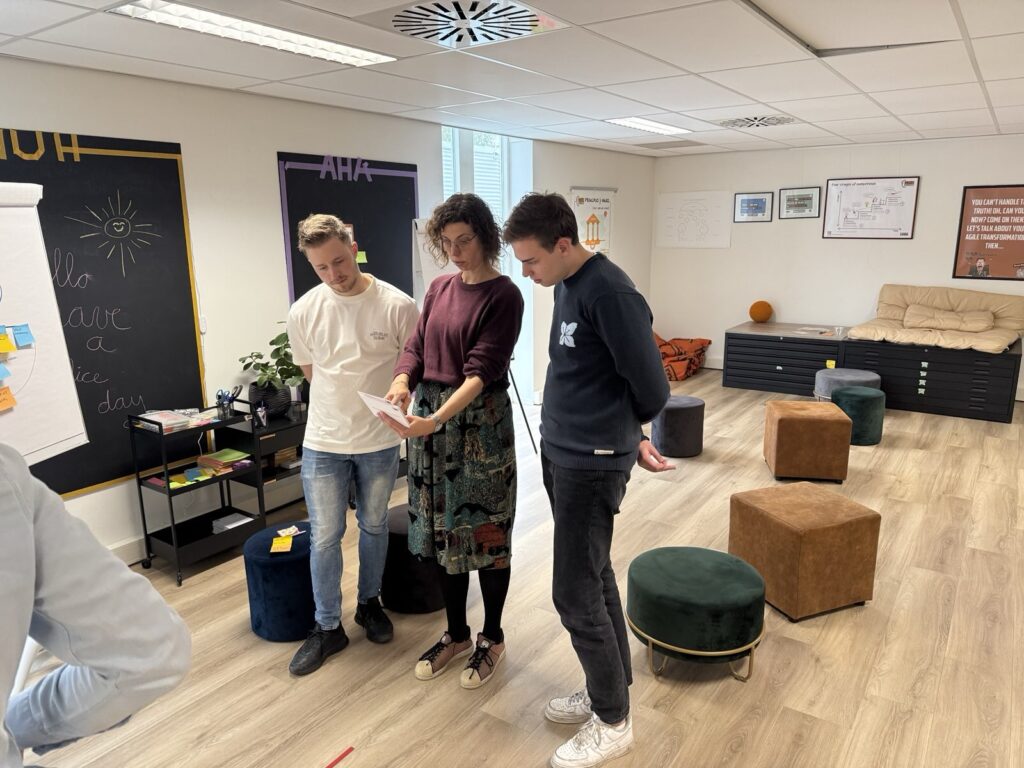
Freelancer Jaap Beemster also successfully completed the first edition of the training and said the following: “I found the training very valuable. You get familiar with the material right away by engaging with it in a playful way, for instance by working with cards, choosing which one is right or wrong and reflecting on why. The trainers have an amazing amount of knowledge about the Scrum framework and brought many valuable and practical case examples, bringing theory to life.”
Want to know more?
Do you want to know more about the importance of Scrum and its relevance to the cultural sector? Then read our interview with Ziryan Salayi from Scrum Facilitators in the article Learning by Doing with Scrum: a Practical Approach for Cultural Organisations
Location
SF Experience
Computerweg 37
3821 AA Amersfoort
The Netherlands
