The digital transformation of LOF Podiumkunsten: “Less time on Excel sheets and more on clients”
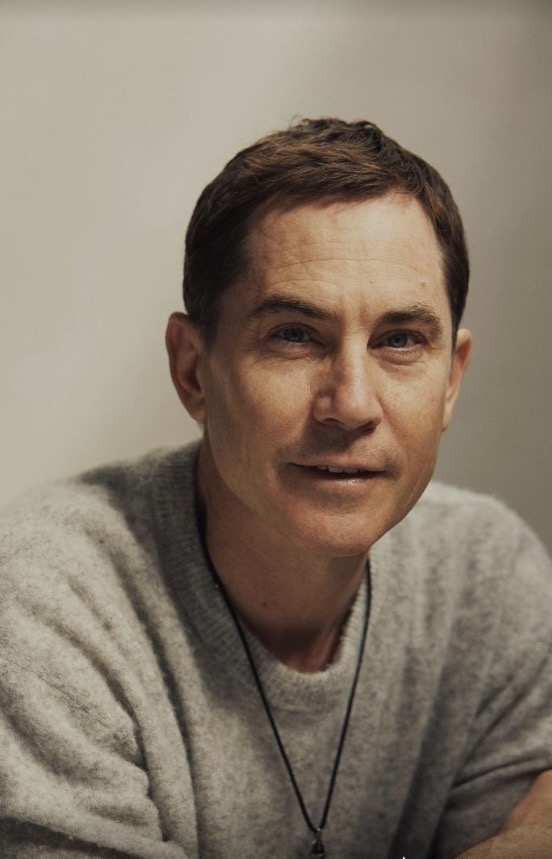
What started with one application form turned into a complete digital transformation. Brandon O'Dell of LOF Podiumkunsten talks about his collaboration with Tò Mò.
One application form. That was the request with which LOF Podiumkunsten approached Tò Mò in April 2025. LOF, the career development centre for professionals in dance, theatre and music, had just been formed through a merger of Sociaal Fonds Podiumkunsten (SFPK), Omscholing Dansers Nederland (ODN) and Sociaal Fonds Nederlandse Podia (SFNP), three funds that each had their own ways of working. A shared application form seemed like a logical first step.
That single application form did come about, but it brought a complete transformation of the organisation with it. Brandon O’Dell, director of LOF, tells us how the project went, what changed unexpectedly along the way, and what he would like to pass on to other organisations.
“Our three funds together have a long history and a lot of knowledge about how to support lifelong learning in the performing arts, but LOF as an organisation is fairly new,” Brandon begins. “We approached Tò Mò because we wanted to go from three application forms to one. The system we were working with was also very slow, and we didn’t have the knowledge in-house about what was possible. Once we started talking, it quickly became clear that the question was much bigger than that. The three funds each had their own protocols and ways of working. This took a lot of time and made it difficult to grow.”
“There are many more human questions involved in digitalisation than you would expect.”
Brandon: “That was the start of a whole digitalisation process, with a new website, a new application system and a new claims system, but in the end it gave us more than that. Merging the funds into one organisation required more knowledge about digitalisation and a culture change within the team. There are many more human questions involved than you would expect when you think about digitalisation.”
That’s why Brandon finds the term digitalisation tricky, he says: “It sounds as if a website or new software gets you there, and as if there is a very clear start and end point. But it’s about a new way of working in this day and age, and about continuing to develop. It’s about the people who work with it, and about bringing them along in that shift. That asks something of your team. We now have a new way of thinking about how we can do our work to provide better services for people in the performing arts. And that has no end point.” This is also evident from what is happening now: LOF is entering a next phase in which the systems will be further integrated and linked to finance.
The process didn’t run entirely smoothly, as you’d expect with so many moving parts, but, says Brandon: “Through the problems you see where the bottlenecks are, so you should actually seek them out.”
Along the way, Tò Mò transferred knowledge, both at a strategic level and on the implementation side: how do you make strategic choices in the digital age, and how do you deal with an implementation and a software supplier? This way, LOF stays in the lead on its own work processes.
According to Brandon, this means in practice that the organisation can do a lot itself. “We don’t need to ask Linda to come by and give a training; we can do it in-house ourselves. That’s real learning on the job.” Selecting new software is something they prefer not to do themselves. “Others have more knowledge in that area. But once the software is in place, we can guide and train new people ourselves, and scale up that whole process.” This allows Tò Mò to be called on to take new steps, rather than to repeat what LOF has already learned.
The result is noticeable. “Over the past year or two, we’ve been able to grow without having to hire many more people.” Previously, a lot of time went into copy-pasting Excel files, work that was slow and error-prone. “We wanted to spend less time on Excel sheets and more time on clients, and that’s exactly what’s happening. We have more time to look with people at how we can provide better services.” Clients are also responding positively: it has become easier and clearer.
For organisations that recognise themselves in this story, Brandon names three signals that suggest it may be time to take a closer look at your ways of working, systems and processes. “If too much depends on one or two people, it hasn’t been solved systemically. That’s a sign there’s work to be done, for the continuity of the organisation. Second: work processes that are very manual, which makes them slow and increases the chance of errors. And then there’s the question of cybersecurity, which is becoming more relevant by the day: where do you store data, and how do you share it within the team and with outside people?”
“Making this kind of process possible creates an agile and future-proof cultural sector.”<br/><br/>
His advice to a director who recognises themselves in this is simple: “Start, even without knowing exactly where you’ll end up and when. There’s always a reason not to do it, because there are other priorities or something is going on in the team. But take the steps you can already take.” Also, don’t set things in too rigid a schedule, so you can stay flexible as new information comes in, and start with research and conversation rather than with a solution.
At the same time, Brandon knows better than anyone that a process like this asks a lot of organisations, especially when your budget has been fixed four years in advance. That is exactly why financial support is crucial for him. “We are very grateful for the financial support we received from Werktuig PPO in that first phase. Their support gave us an enormous push to take this on. Without that support it would have been a lot harder. Making this kind of process possible creates an agile and future-proof cultural sector.”
At LOF Podiumkunsten, affiliated professionals and organizations can also apply for support for courses designed to grow their digital skills and knowledge.
Deze website maakt gebruik van zowel functionele, (geanonimiseerde) analytische als tracking cookies. Deze gebruiken wij om de website zo goed mogelijk te laten functioneren en het gedrag van bezoekers op deze website te analyseren.
Functioneel
Always active
Functionele cookies zijn noodzakelijke cookies die ervoor zorgen dat een website goed werkt, zoals het onthouden van je taalvoorkeur of het correct laten werken van formulieren. Zonder deze cookies werkt de site niet goed.
Voorkeuren
Voorkeurencookies onthouden instellingen en keuzes die je eerder maakte, zoals taal of weergave. Ze zorgen voor extra gemak, maar zijn niet strikt nodig om de website te laten werken.
Statistieken
De technische opslag of toegang die uitsluitend voor statistische doeleinden wordt gebruikt.Statistiekencookies verzamelen anonieme gegevens over het gebruik van de website. Zo zien we wat werkt en wat beter kan, zonder te weten wie jij bent.
Marketing
Marketingcookies worden nu niet gebruikt. Als dit in de toekomst verandert, wordt dit duidelijk vermeld en alleen met toestemming toegepast.